Marketing
How to Choose the Right Social Media Channels and Maximize ROI
Stop burning ad budget everywhere. Learn how to choose the right social media channels for your business, target high-value buyers, and maximize ROI.
Here is the classic cash-burning mistake most founders make: they try to be everywhere at once. They waste time, energy, and ad budgets on platforms where their ideal buyers simply don’t hang out.
Let's clear the air: Social media isn't about "having a profile." It’s about setting up a revenue-generating asset.
If you want to stop lighting money on fire and start targeting with surgical precision, here is the no-BS guide to selecting the right marketing channels for your business.
1. Business Goals: Revenue First, Vanity Metrics Last
Before you stress over video formats or aesthetic grids, answer one brutal question: what are these channels supposed to make you? * Brand Awareness: If you need massive, top-of-funnel reach, you play where the volume is (Facebook, Instagram). * Lead Generation (B2B): If you sell high-ticket contracts, you need precise targeting of decision-makers (LinkedIn). * E-Commerce Sales: If you sell direct-to-consumer, you need visual intent and immediate buying triggers (Instagram, Pinterest).
2. Follow the Money: Target Audience Analysis
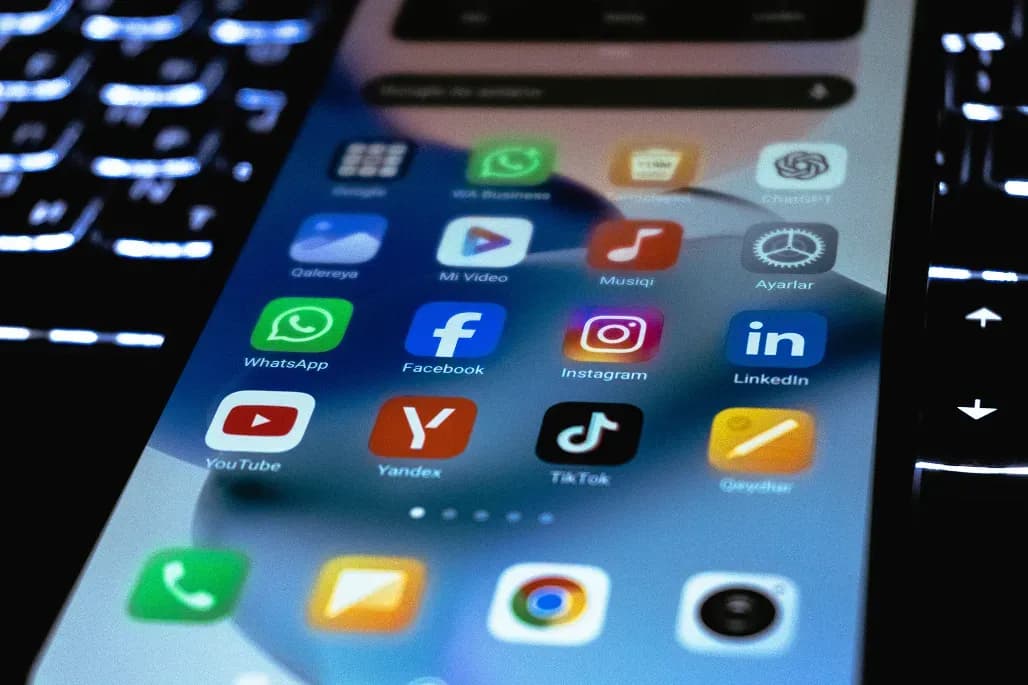
Stop fighting for everyone's attention. Fight exclusively for the attention of people with credit cards who actually want to pay for your solution: * Facebook: Ages 25–54. A universal ad ecosystem, perfect for mass communities, local services, and broad consumer targeting. * Instagram: Younger demographics (18–34). Driven by high-end aesthetics, lifestyle, and rapid consumer engagement. * LinkedIn: B2B executives, founders, and professionals (25–54). This is where you sell expertise, authority, and enterprise deals. * TikTok: Gen Z and younger audiences (16–24). Fast attention spans, raw authenticity, and massive organic reach with a zero-dollar ad budget. * Pinterest: High-intent users searching for product inspiration and direct shopping pathways.
3. Legal Cheating: Competitor Benchmarking
Do not reinvent the wheel. Look at what your top three competitors are doing right now: * Where are they posting with absolute consistency? * Which posts get the highest engagement, comments, and shares? * What obvious mistakes are they making that you can exploit?
Rule: *Benchmarking* is the fastest shortcut to success. Steal what is proven to work in your niche and execute it 20% better.
4. Platform Breakdown: What Drives ROI vs. What Wastes Resources?
- Facebook: Massive reach and robust ad targeting, but organic visibility is dead (you must pay to play).
- Instagram: High engagement powerhouses via Stories and Reels, but demands flawless visual execution.
- LinkedIn: Unmatched for B2B and personal branding, but features higher ad costs and zero tolerance for low-tier entertainment.
- TikTok: Explosive organic reach via algorithmic distribution, but requires continuous, raw, high-energy video production.
- Pinterest: A quiet traffic-driving machine for blogs and e-commerce, though heavily niche-specific.
5. Resources and Execution: The "Less is More" Rule
Running one channel perfectly beats running five channels poorly. If you don't have a massive marketing army, pick a maximum of two platforms where you will deploy 100% of your focus.
Set up a content schedule and track key performance indicators (KPIs) that actually matter: web traffic, captured leads, engagement rate, and true return on ad spend (ROAS).
---
Key Takeaways:
- Match the platform to the buyer: Don't waste time on TikTok just because it's trendy if your ideal buyer is a 50+ corporate executive.
- Quality > Quantity: Focus on 1–2 core channels and dominate them through relentless, consistent execution.
- Cut the losers: If a channel fails to generate qualified leads or traffic after a strict 90-day testing window, reallocate your capital immediately.